
Aktuelles
Aus den Landeskirchen >>>
Aus den Gemeinden >>>
Aus dem Reformierten Bund >>>
Kolumne >>>

from... - die reformierte App

Newsletter

Wir auf Facebook
Größeres Risiko von Gewalt gegen Frauen in der ökonomischen Krise
Der Reformierte Weltbund zum Internationalen Frauentag am 8. März
The economic crisis is putting women at higher risk of violence yet the world is paying less attention to their needs, says a global church organization. In a statement issued to mark International Women’s Day (8 March), the World Alliance of Reformed Churches (WARC) expresses concern that violent crimes against women, particularly rape and domestic violence, are on the rise at the same time that support for programmes to protect women is under threat.
“The world seems to have become almost immunised to the stench of violence against women. Dowry-related deaths, honour killings, female genital mutilation, and rape as a weapon of war continue with impunity. Women and girls are sold in slavery as trafficking of persons across the globe for sexual and economic exploitation thrives,” says Patricia Sheerattan-Bisnauth, WARC’s spokesperson on gender issues.
“We cannot continue to ignore the plight of women and girls who are attacked in their homes or are targets of war crimes," says WARC’s general secretary, Setri Nyomi. “WARC calls for renewed commitment to accelerate rather than slow down the process of seeking to end violence against women and girls and to bring about justice.”
Poor women in poor countries suffer the most from the impact of the economic crisis, says Sheerattan-Bisnauth. Increased social unrest due to unemployment, rising food costs and disputes over scarce resources such as water and land, lead to rising levels of violence with women and girls most vulnerable to attack. Yet, warns Sheerattan-Bisnauth, funding for programmes designed to protect and empower women is being reduced. “Cuts to funding for social safety nets for the vulnerable – the elderly, sick, disabled and those in family crisis – exacerbate the situation”, Sheerattan-Bisnauth adds.
The International Monetary Fund (IMF) warns that the world’s poorest countries are now being hit by what it terms the “third wave” of the downturn after first affecting the advanced and the emerging economies and says poor countries face greater exposure to the current crisis because they are more integrated into the international economy than they used to be. “This puts at risk the major achievements of higher growth, lower poverty, and greater political stability that many low-income countries have made over the past decade,” says the head of the IMF, Dominique Strauss-Kahn.
In responding to the crisis, churches in communities worldwide are seeking to counter the rise in violence through initiatives which engage both men and women. In ecumenical services to be held around the world on 6 March to mark the Women’s World Day of Prayer, the focus will be on one of the countries cited by the IMF as most at risk from the economic crisis. Women from churches in
“WARC celebrates the efforts of the women of
Barbara Schenck


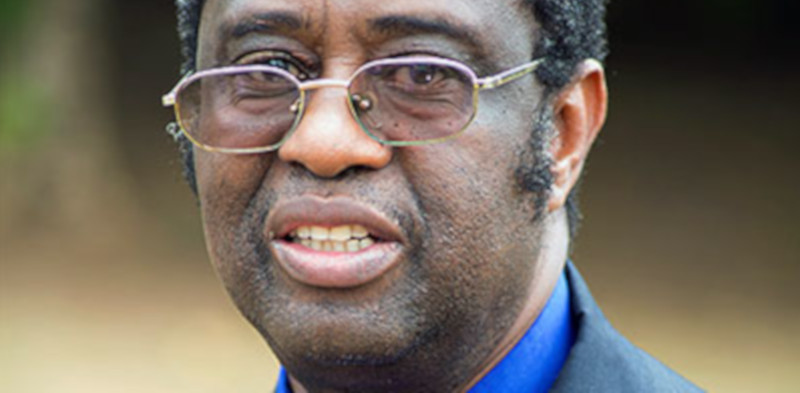
'Man sollte Reformiertsein nicht in eine Schublade stecken'
RB
Im Kampf gegen die Apartheid
RB
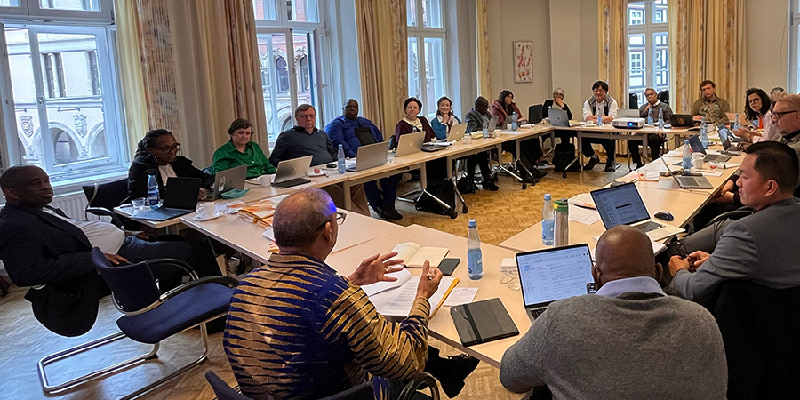
'Bewegung jenseits kirchlicher Strukturen'
Quelle: WGRK

'Wir sind aufgerufen, Gottes Werkzeuge der Veränderung zu sein'
Quellen: WGRK/EKKW/EKiR/ELK-Wue/EKHN/EKM

'Die Ausrufung eines Tages der Schöpfung ist nur ein kleiner Schritt'
Quelle: WGRK
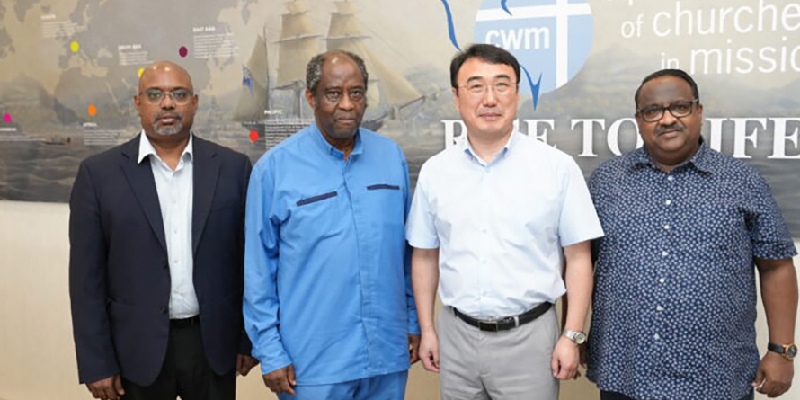
'Breitere ökumenische Bewegung'
Quelle: CWM
Informationsaustausch der Zukunft
Quelle: WGRK
Einladung zur Bewerbung für die GEM-School 2024
Quelle: WGRK
Engagiert für den reformierten Austausch
Jutta Noetzel/RB
'Dem Weg der Gemeinschaft Kraft verleihen'
Quelle: WGRK